
Business Tips
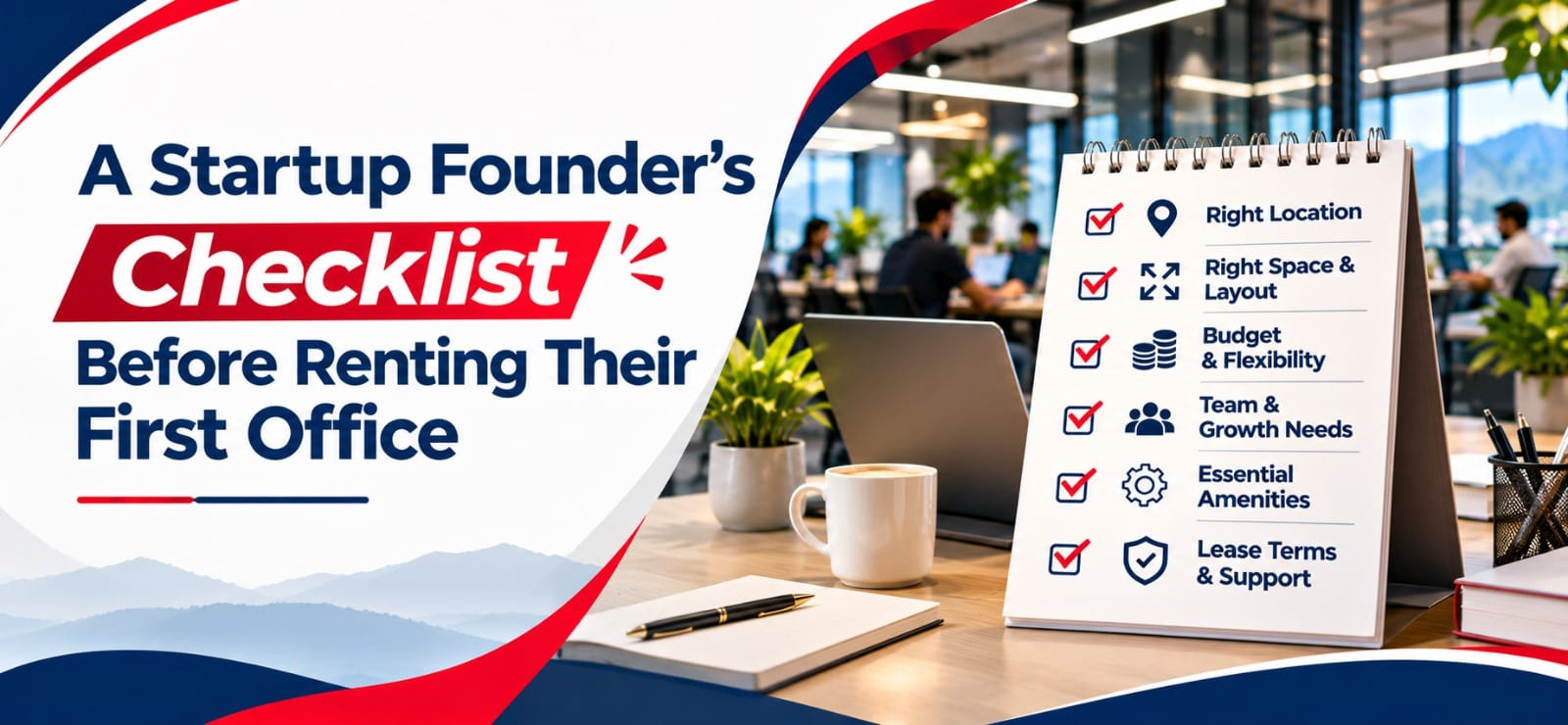
A Startup Founder’s Checklist Before Renting Their First Office
Introduction
Starting a business is an exciting journey. From developing an idea and building a team to finding the first customers, every decision plays an important role in shaping a startup’s future. Among these decisions, choosing the right office is particularly important because it influences daily operations, employee productivity, business expenses, and future growth.
For many startup founders, renting the first office represents an important milestone. It provides a dedicated environment where teams can collaborate, meet clients, organise operations, and build a professional business identity.
However, selecting an office without proper planning can create unnecessary financial pressure, especially during the early stages of a business. Founders need to consider more than just the appearance of a workspace. Factors such as rental costs, location, infrastructure, lease conditions, parking, and expansion possibilities deserve equal attention.
If you are exploring a small office space for rent in Dehradun, having a clear checklist can help you make a practical decision without exceeding your startup budget.
Here is everything startup founders should evaluate before renting their first office.
1. Understand Your Startup’s Actual Space Requirements
Before visiting commercial properties, identify how much office space your business actually needs. A common mistake among first-time founders is renting a larger office than necessary. While an impressive workspace may look attractive, unused space can increase monthly expenses without providing immediate business value.
Start by evaluating:
- Current number of employees.
- Expected team size over the next 12 months.
- Number of workstations required.
- Need for private cabins or meeting rooms.
- Client consultation requirements.
- Storage and administrative needs.
For example, a startup with four to six employees may initially operate comfortably in a compact office with dedicated workstations and a small meeting area. The objective should be to rent enough space to support your current operations while keeping room for manageable growth.
2. Set a Realistic Office Rental Budget
Office rent is only one part of the total cost of operating a workspace. Startup founders should calculate the complete financial commitment before signing a rental agreement. This helps prevent unexpected expenses from affecting cash flow.
Consider the following costs:
| Expense | What to Consider |
| Monthly Rent | Recurring rental commitment |
| Security Deposit | Initial refundable deposit as per agreement |
| Maintenance Charges | Building and common-area maintenance |
| Electricity | Monthly power consumption |
| Internet | Broadband and networking expenses |
| Furniture | Desks, chairs, storage, and meeting tables |
| Interior Setup | Partitions, lighting, and workspace arrangements |
| Additional Expenses | Parking, housekeeping, and other applicable charges |
It is also important to maintain sufficient working capital after paying the initial office expenses.
3. Choose a Location That Works for Your Business
Location can influence employee convenience, client accessibility, and the overall perception of your business. An office situated in a commercially accessible area can make it easier for employees, customers, suppliers, and business partners to reach your workplace.
When evaluating locations in Dehradun, consider:
- Connectivity to major roads.
- Availability of public transportation.
- Distance from residential neighbourhoods.
- Nearby banks, restaurants, and essential services.
- Parking availability.
- Visibility and ease of navigation.
The ideal location depends on your business model. A technology startup may prioritise employee accessibility and reliable internet, while a consultancy may require a location that is convenient for client meetings.
Do not choose an office solely because it is located in a popular commercial area. Evaluate whether the location genuinely supports your business requirements.
4. Check Internet Connectivity and Technical Infrastructure
For modern startups, reliable internet and electrical infrastructure are essential. Businesses working in technology, digital marketing, consulting, design, and online services depend on uninterrupted connectivity for everyday operations.
Before finalising a property, check:
- Internet Connectivity: Confirm that reliable broadband services are available in the building.
- Electrical Capacity: Ensure sufficient electrical connections for computers, servers, printers, and other equipment.
- Power Backup: Understand whether the building provides backup power and which areas are covered.
- Network Coverage: Check mobile network availability inside the office.
- Air Conditioning and Ventilation: Evaluate whether the workspace can maintain a comfortable working environment.
These facilities can directly affect employee productivity and operational efficiency.
5. Evaluate the Office Layout and Working Environment
A productive office does not necessarily need expensive interiors. It needs a practical layout that supports communication, concentration, and collaboration. Before renting, consider how the available space can accommodate your team.
An effective startup office may include:
- Open workstations for employees.
- A dedicated desk for the founder.
- A small meeting or discussion area.
- Comfortable client seating.
- Storage for important documents.
- Proper lighting and ventilation.
Also inspect the condition of the flooring, walls, windows, electrical fittings, and washrooms. A well-maintained workspace can reduce the need for immediate repairs and unnecessary interior expenses.
6. Understand the Lease Agreement Before Signing
A commercial lease agreement establishes the terms and responsibilities of both the property owner and the tenant. First-time founders should carefully review the agreement rather than focusing only on the monthly rent.
Pay attention to these important clauses:
- Lease Duration: Understand the minimum rental period and total agreement duration.
- Security Deposit: Confirm the deposit amount and conditions for its refund.
- Rent Escalation: Check whether the rent increases after a specified period.
- Notice Period: Understand how much advance notice is required before vacating the property.
- Maintenance Responsibilities: Clarify who handles repairs and common-area maintenance.
- Permitted Business Activities: Ensure that your intended business operations are allowed within the premises.
- Termination Conditions: Review the circumstances under which either party can terminate the agreement.
If necessary, consult a legal professional before signing.
7. Consider Parking and Employee Convenience
Parking is an important consideration, particularly for startups whose employees and clients frequently travel by personal vehicles. Before finalising an office, check whether parking facilities are available and whether they can accommodate employees and visitors.
Also consider:
- Building entrance accessibility.
- Lift availability.
- Security arrangements.
- Nearby public transportation.
- Food and refreshment options.
- Access to essential services.
These everyday conveniences can influence employee satisfaction and make client visits more comfortable.
8. Think About Future Business Expansion
Your first office should support your current requirements without restricting future growth. Startups can experience changes in team size, operational needs, and business activities within a relatively short period. For this reason, founders should evaluate whether the selected workspace offers flexibility.
Ask yourself:
- Can additional workstations be accommodated?
- Is there an option to rent a larger space in the same development?
- Can the office layout be modified?
- Are additional commercial facilities available?
- Will the lease agreement support your expected business plans?
You do not necessarily need to rent a large office from day one. Instead, choose a workspace that allows you to expand when your business genuinely requires it.
9. Explore Commercial Workspace Options in Dehradun
Dehradun offers different types of commercial properties for businesses looking to establish or expand their operations. Startup founders can explore independent office units, managed workspaces, and commercial developments based on their budget and operational requirements.
When searching for affordable office space in Dehradun, compare multiple properties instead of selecting the first available option.
Look beyond the advertised rental price and evaluate the overall value offered by the property. For example, a slightly higher rental cost may be justified if the workspace provides better accessibility, reliable infrastructure, parking, and convenient common facilities.
Why Consider WFECity for Your First Startup Office?
WFECity (Work, Food and Entertainment City) is a commercial destination in Dehradun worth exploring when evaluating workspace opportunities. Its commercial environment brings together different business activities, making it relevant for entrepreneurs and businesses looking for commercial property options.
Before selecting a workspace, startup founders can explore the available units and evaluate whether their specifications match their requirements.
Important factors to consider include:
- Available office configurations.
- Workspace size and layout.
- Connectivity and accessibility.
- Parking and common facilities.
- Rental and maintenance terms.
- Suitability for the intended business activity.
The right commercial workspace should help your startup operate efficiently while keeping long-term expenses manageable.
10. Complete Your Final Office Inspection Checklist
Before making the final payment or signing the agreement, conduct a physical inspection of the property. Use this checklist to make sure you have evaluated the important details.
Property Inspection
- Office size matches your requirements.
- Flooring, walls, and fittings are in good condition.
- Washrooms and common areas are maintained.
- Lighting and ventilation are adequate.
- Electrical connections are functional.
Infrastructure and Facilities
- Reliable internet connectivity is available.
- Power backup arrangements are confirmed.
- Parking facilities have been checked.
- Security and building access are satisfactory.
- Water supply and other essential facilities are available.
Financial and Legal Checks
- Monthly rent is within the approved budget.
- Security deposit and maintenance charges are confirmed.
- Lease duration and notice period are understood.
- Rent escalation terms have been reviewed.
- Permitted commercial usage is verified.
- Lease agreement has been reviewed before signing.
Completing these checks can help prevent avoidable problems after moving into the office.
Conclusion
Renting your first office is an important step in building a successful startup, but it should be a financially and operationally informed decision. Before choosing a property, evaluate your actual space requirements, rental budget, location, infrastructure, lease conditions, and future expansion possibilities.
If you are searching for a small office space for rent in Dehradun, focus on finding a workspace that balances affordability, convenience, and functionality. A well-chosen office can provide your team with the right environment to collaborate, serve customers, and build the foundation for long-term business growth.
For startups exploring commercial workspace opportunities, WFECity Dehradun is worth considering. Explore the available options, compare their facilities, and choose a space that aligns with your business goals.

Rajan
WFECity’s editorial team shares practical insights about office spaces, commercial real estate, amenities and business growth in Dehradun.
You May Also Like